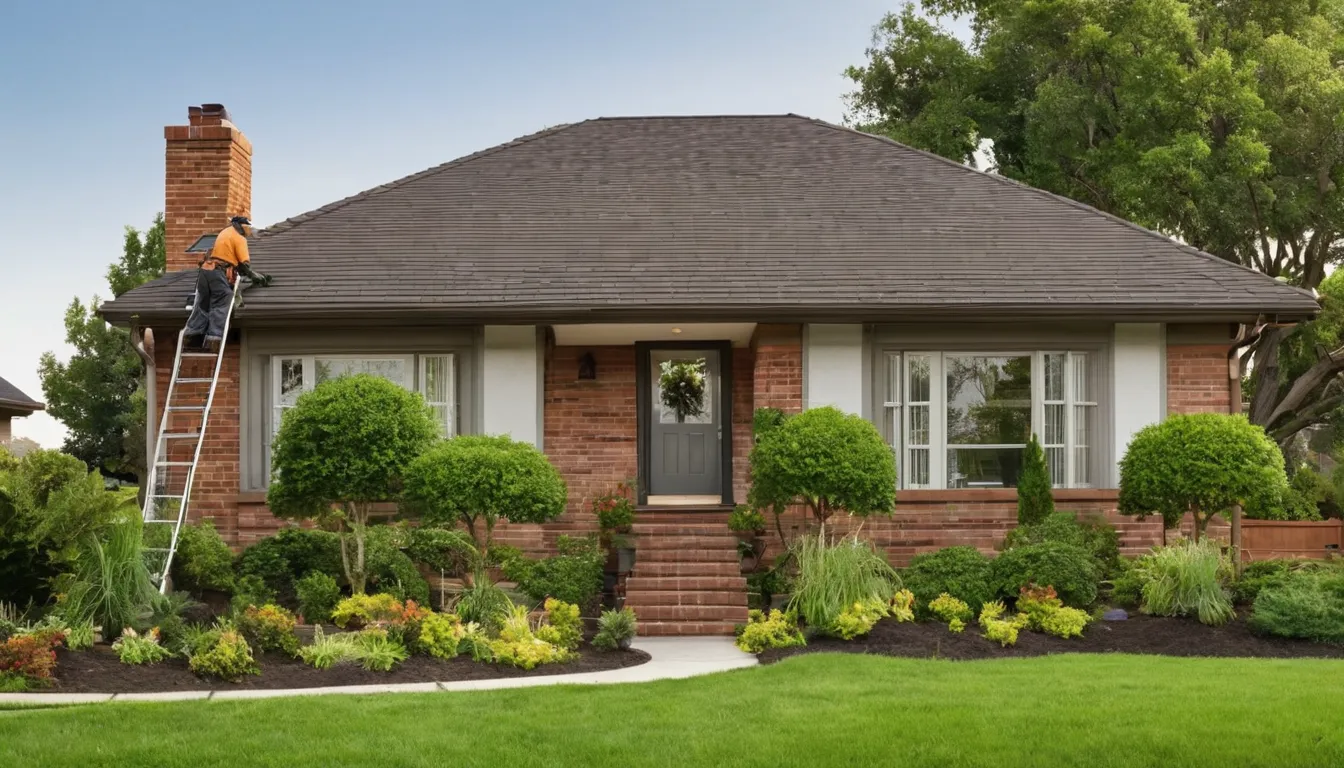
Say you come home and notice a gnawed corner in the pantry, or hear thumping above the bedroom ceiling. Most first-time homeowners have no idea who to phone. Certifiedchairman Pest Control is a referral service. It connects you with independent providers in the Grand Rapids area who handle mice, rats, squirrels, raccoons, bats, and other animals that move into houses.
The provider does the work, not Certifiedchairman Pest Control. Good removal has three parts: find the animal and the way in, take it out in a safe and lawful way, and then seal the gap. This page walks you through each part in plain words. It also covers what to do afterward, because fixing the problem is only half the job.
Scratching in the Ceiling? Start Here
Say you are lying in bed and hear quick little steps above you. The next morning, you find droppings behind the stove. That is the moment to act, not to wait and hope.
Something has found a warm way into your home. A local provider can confirm what it is and where it got in. Many providers can respond quickly, but hours vary, so ask early.
Why Waiting Makes It Harder
Animals do not move in for a night. They build a home, and then they raise a family in it.
Mice and Rats Multiply Fast
Say you spot one mouse and decide to wait a week. In that time, one pair can turn into a nest of pups. Cold winters with deep frost push more of them indoors, so fall and winter are busy times.
Bigger Animals Do Bigger Damage
Squirrels and raccoons tear up insulation and chew wires. A mother animal with babies in the attic changes the plan, too. Moving her the wrong way can leave young ones behind. A provider knows how to handle that.
Signs You Are Not Imagining It
Say you are walking through the house on a Saturday. Look and listen for these clues:
- Scratching, rolling, or thumping in walls or ceilings, often at dusk or night
- Droppings that look like dark grains of rice, or larger piles in the attic
- Gnaw marks on wood, boxes, or wire coverings
- Greasy smudges along baseboards and pipes
- A sharp, musty smell near vents or in the basement
- Torn insulation, or a nest of shredded paper and fabric
- Damaged soffits, or loose vent covers outside
One sign is a hint. Two or three signs mean it is time to ask for help.
Animals Providers Commonly Handle
In this part of the country, providers see the same list again and again. House mice and rats lead the list of rodent calls. Squirrels get into attics through small roof gaps. Raccoons break through vents and chimneys. Bats slip through cracks as thin as a pencil. Skunks and groundhogs dig under porches and sheds.
Searching "exterminator near me" can bring up general residential pest control companies. Ask whether the provider also does wildlife removal. Bugs like bed bugs call for a different plan, such as bed bug treatment, so keep those questions separate.
How Removal Works, Step by Step
The Inspection
The provider checks the roof edge, vents, crawl spaces, and basement walls. In a frame house that is many decades old, gaps hide in many places. The goal is to find the animal, the entry points, and any damage.
The Removal
For rodents, that often means traps or bait stations placed with care around pets and kids. For larger animals, it can mean one-way doors or live traps. The right method depends on the animal and the season.
The Sealing
This is the step that keeps the problem from coming back. Fix it, then seal it. Providers close gaps with metal mesh, steel wool, caps, and sturdy patches. Foam alone does not stop a chewing animal.
Humane Handling and Local Rules
Say you find a bat colony in the attic. Many places have rules about when and how bats can be removed, and some animals are protected in certain seasons. Rules differ by state and town.
Ask the provider how they handle local rules and nesting season. A careful provider will explain the plan before any work starts. That plan should treat the animals humanely and follow the law.
Choosing a Removal Provider
Take a few minutes to ask questions. A good provider will answer them clearly.
- What animal do you think it is, and why?
- Where did it get in, and how will you close it?
- Does the quote include sealing and cleanup?
- Is there a follow-up visit to check the work?
- Can you put the plan in writing?
Get a written quote before work begins. Compare scope, not only price.
After the Repair: Keep It from Returning
Say the animal is gone and the holes are patched. The quiet follow-up is what keeps it that way.
Check the House Each Season
Walk the outside after spring thaw and again before winter. Look for new gaps near the roof edge, vents, siding, and where pipes enter. Hail and severe thunderstorms can knock loose caps and flashing.
Watch the Basement and Crawl Space
Spring flooding and a damp basement draw rodents toward warm, hidden spots. Keep the sump pit cover snug. Store boxes on shelves, not on the floor, and seal gaps around pipes and cables.
Tidy the Yard
Trim branches back from the roof. Stack firewood away from the walls. Close trash lids tightly and keep pet food indoors. If your attic had droppings or soaked insulation, ask the provider about cleanup. Providers can often help document damage for a claim. Some policies may cover sudden damage, so check your policy.
What If the Noises Come Back?
Ask the provider what their follow-up covers before you hire. If you hear new sounds, note the date, the place, and the time of night. Share those notes with the provider. Request a callback to check provider availability for a recheck.
What's Included
Inspection and Entry Search
A provider looks over the roof edge, vents, attic, and basement to find the animal and how it got in.
Removal
Traps, bait stations, or one-way doors are used, chosen for the animal and the season.
Sealing the Gaps
Metal mesh, caps, and patches close the entry points so animals cannot return.
Cleanup Advice
Providers can often clean droppings and nesting material, or suggest who should handle insulation.
Typical Rodent and Wildlife Removal Costs
Prices vary by animal, home size, and how much damage there is. These are typical U.S. ranges only. Ask each provider for a written quote that lists what is and is not included.
| Item | Typical range | Notes |
|---|---|---|
| Inspection | $100 – $300 | Some providers apply it to the job if you hire them |
| Mouse trapping program | $200 – $600 | Often includes several visits |
| Rat removal | $300 – $800 | Depends on nest size and access |
| Squirrel or raccoon removal | $250 – $750 | Higher if babies are present |
| Sealing and exclusion repairs | $300 – $1,500 | Depends on how many gaps there are |
| Attic cleanup and insulation | $1,000 – $5,000 | Depends on the size of the attic and damage |
How It Works
Describe What You Notice
Share the sounds, droppings, smells, or damage you have seen, and where in the house they appear.
Get Matched with a Provider
Certifiedchairman Pest Control connects you with an independent provider in the network who handles your type of problem.
Review the Plan and Quote
Ask for the method, the sealing work, and the price in writing.
Seal, Check, and Maintain
After removal, keep up seasonal walks and repairs so animals do not return.
Why Call Certifiedchairman Pest Control
Written Plan Before Work
Ask the provider to explain the animal, the method, and the sealing in plain words first.
Local Providers
Independent providers in your area know local building styles, seasons, and animal habits well.
Clear Questions
A short checklist helps first-time homeowners compare providers and understand what is in the quote.
Follow-Up Focus
The aim is not only to remove the animal but to keep the problem from returning.
Other Services
Need rodent & wildlife removal services in Grand Rapids?
Found droppings, bites or strange noises? Send a quick request through the form, or Request a callback to check provider availability. A local provider can take it from there.
No obligationRodent & Wildlife Removal Services FAQ
- How do I know if I have mice or rats in my house?
- Look for droppings, gnaw marks, greasy smudges, and noises in walls at night. Mouse droppings are small and rice-shaped. Rat droppings are larger. A provider can confirm the animal and find where it got in.
- Can I remove wildlife from my attic myself?
- It can be risky. Animals may bite, carry disease, or have babies inside, and some are protected by local rules. A provider has the tools and knows the rules. Ask about the plan before work begins.
- Will my homeowners insurance pay for rodent or wildlife damage?
- It depends on your policy. Some policies may cover sudden damage, but many exclude long-term pest damage. Check your policy and ask your agent. Providers can often help document damage for a claim.
Tell us what happened
Found droppings, bites or strange noises? Send a quick request through the form, or Request a callback to check provider availability. A local provider can take it from there.
No obligation